Keynote Speakers
主讲专家
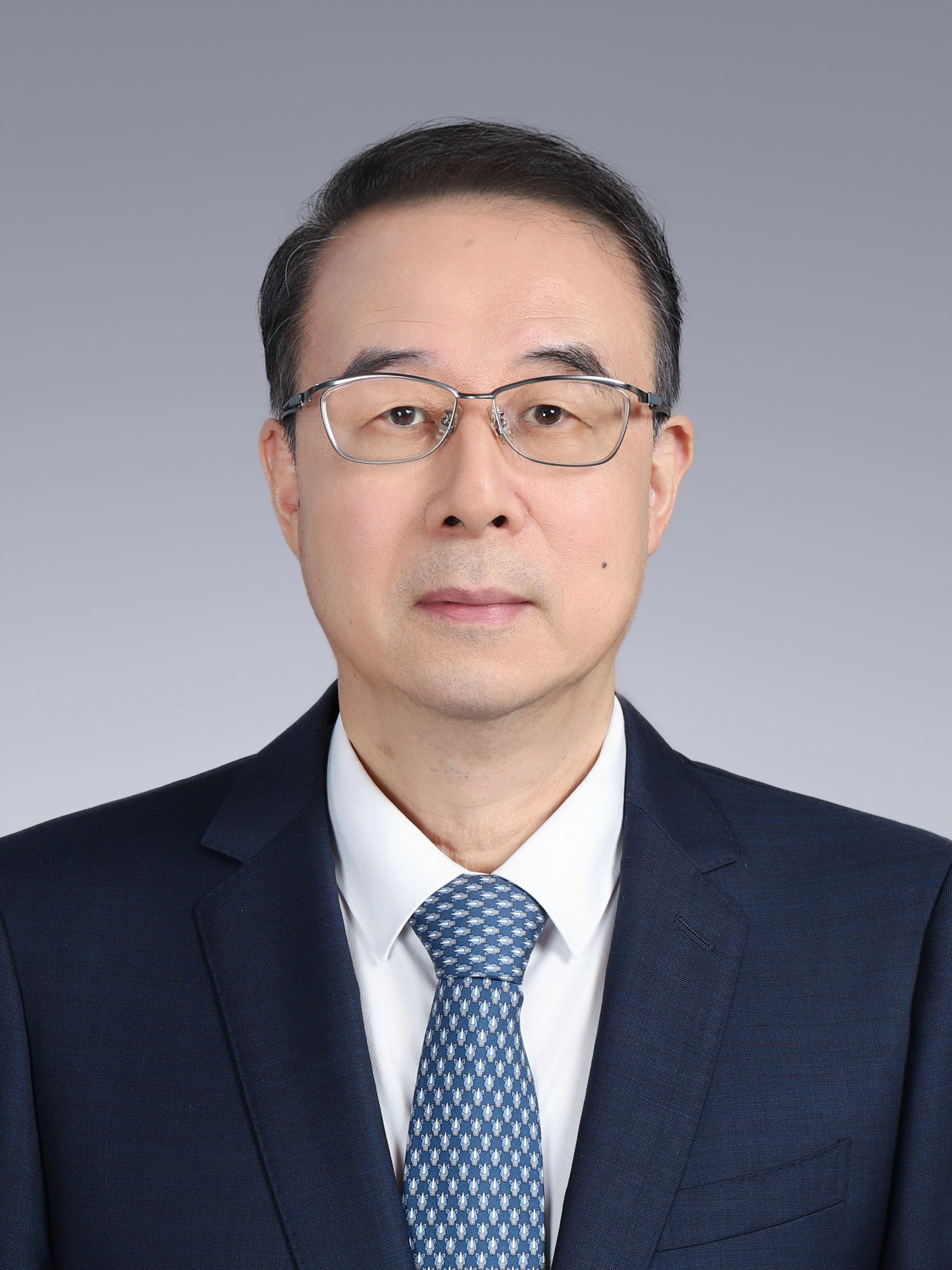 Prof. Yi Pan
Fellow of American Institute for Medical and Biological Engineering, Member of European Academy of Sciences and Arts
Shenzhen University
of Advanced Technology, China
Dr. Yi
Pan is currently a Chair Professor and Dean of
Faculty of Computer Science and Control
Engineering at Shenzhen University of Advanced
Technology, China and a Regents’ Professor
Emeritus at Georgia State University, USA. He
served as Chair of Computer Science Department
at Georgia State University from 2005 to 2020.
He has also served as an Interim Associate Dean
and Chair of Biology Department during
2013-2017. Dr. Pan joined Georgia State
University in 2000, was promoted to full
professor in 2004, named a Distinguished
University Professor in 2013 and designated a
Regents' Professor (the highest recognition
given to a faculty member by the University
System of Georgia) in 2015.
Dr. Yi Pan is Fellow of American Institute for
Medical and Biological Engineering, Foreign
Member of Russian Academy of Engineering,
Foreign member of Ukrainian Academy of
Engineering Science, Member of European Academy
of Sciences and Arts, Distinguished Fellow of
International Engineering and Technology
Institute, Fellow of the Royal Society for
Public Health, Fellow of the Institute of
Engineering and Technology, and Fellow of the
Japan Society for the Promotion of Science.
Dr. Pan received his B.Eng. and M.Eng. degrees
in computer engineering from Tsinghua
University, China, in 1982 and 1984,
respectively, and his Ph.D. degree in computer
science from the University of Pittsburgh, USA,
in 1991.
Dr. Pan has published more than 450 papers
including over 250 journal papers with more than
100 papers published in IEEE/ACM
Transactions/Journals. In addition, he has
edited/authored 43 books. His work has been
cited more than 28000 times based on Google
Scholar and his current h-index is 102. Dr. Pan
is currently serving as Editor-in-Chief of Big
Data Mining and Analytics (a top 3% journal),
Associate Editor-in-Chief of Journal of Computer
Science and Technology (JCST), and Chinese
Journal of Electronics (CJE). Dr. Pan has served
as an editor-in-chief or editorial board member
for 20 journals including 7 IEEE Transactions.
 Prof. Emanuele (Manuel) Trucco
FRSA, FIAPR
University of Dundee, UK
Emanuele (Manuel) Trucco, MSc, PhD, FRSA, FIAPR, is the NRP Chair of Computational Vision in Computing, School of Science and Engineering, at the University of Dundee, an Honorary Clinical Researcher of NHS Tayside and an Adjunct Professor at the Chinese Academy of Sciences. He got his MSc and PhD degrees in Electronic Engineering from the University of Genova, Italy, in 1984 and 1990 respectively.
He has been active since 1984 in computer vision, and since 2002 in medical image analysis, publishing more than 250 refereed papers and 2 textbooks, and serving on the organizing or program committee of the major international and UK conferences. Manuel is co-director of VAMPIRE (Vessel Assessment and Measurement Platform for Images of the Retina), an international research initiative led by the Universities of Dundee and Edinburgh (co-director Dr Tom MacGillivray), member of the UK Biobank Eye and Vision Consortium. VAMPIRE develops software tools for efficient data and image analysis with a focus on multi-modal retinal images. VAMPIRE has been used in UK and international biomarker studies on cardiovascular risk, stroke, dementia, diabetes and complications, cognitive performance, neurodegenerative diseases, and genetics. Industrial collaborators include Canon Medical, OPTOS plc, NIDEK, and Epipole plc; institutional collaborations include the College of Optometrists, the Royal College of Ophthalmologists, and the Royal College of Veterinaries. Recent VAMPIRE projects led or co-led by Manuel includes a £7M NIHR grant Dundee-Chennai on precision medicine for diabetes (PI Prof C Palmer), a £1.1M EPSRC grant on multi-modal biomarkers for vascular dementia (PI E Trucco), the 3M-Euro ITN "REVAMMAD" (PI Prof A Hunter, Lincoln), and PhD studentships sponsored by OPTOS plc, NIDEK Technologies, SINAPSE and Toshiba.
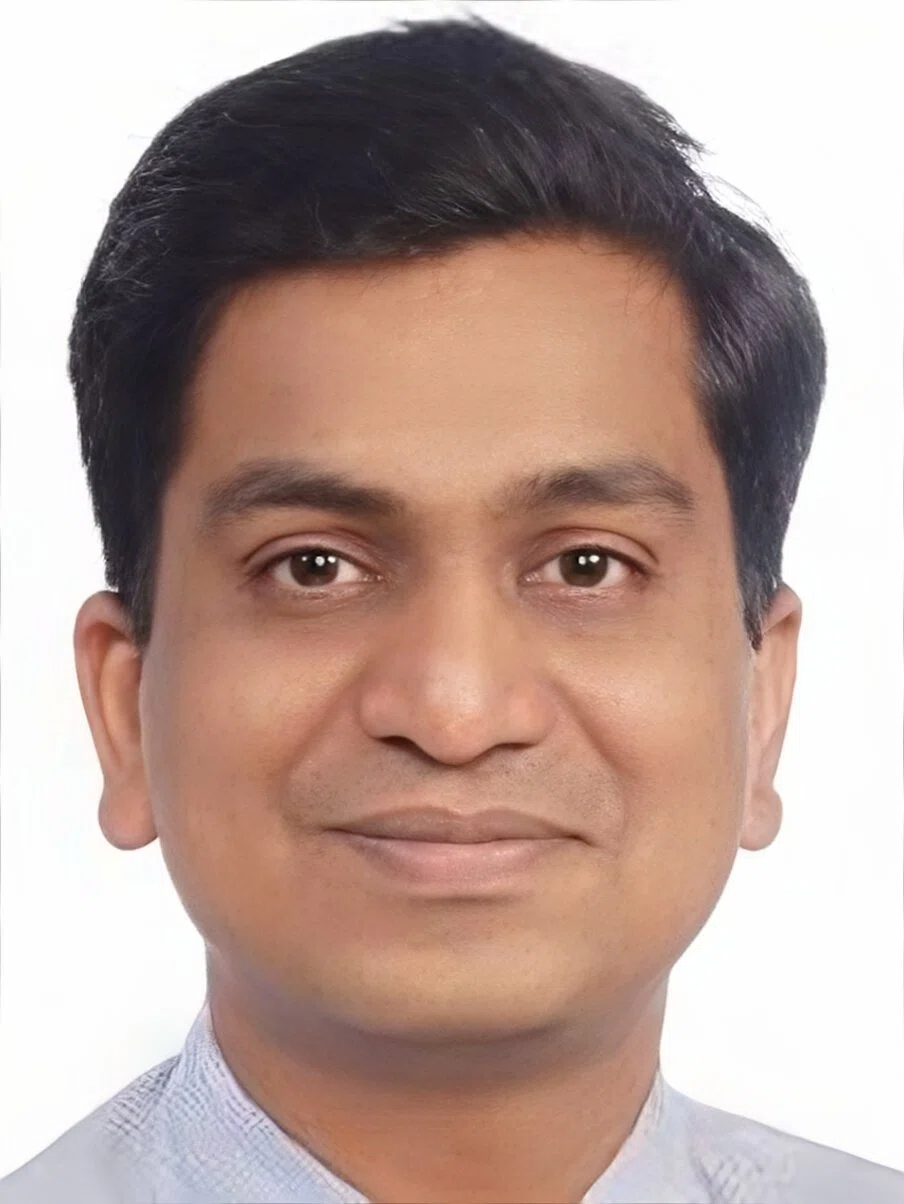 Prof. Rupesh Agrawal
Nanyang Technological University, Singapore
A/Prof Rupesh Agrawal is a Senior Consultant, Head, Research and Clinician Scientist at the NHG Eye Institute at Tan Tock Seng Hospital.
After completing his residency and fellowship in Uveitis and Ocular trauma from Sankara Netralaya, Chennai (1999-2003), he was a faculty member at Shri Ganapati Netralaya, Jalna (2003-2008) and L V Prasad Eye Institute, Hyderabad, India (2008-2009). After being awarded the NMRC overseas research training fellowship, he spent time at Moorfields Eye Hospital (MEH), London with Prof Carlos Pavesio and completed his MD (Res) training fellowship at Institute of Ophthalmology, University College London (UCL) (Nov' 2012 - Oct' 2014) and is now associated with Institute of Ophthalmology as Research Associate and as Honorary Consultant with MEH. His clinical areas of expertise are ocular inflammatory disorders (uveitis) including ocular tuberculosis and HIV and ocular trauma.
He has published many articles in peer-reviewed journals and presented several papers, lectures on uveitis and ocular trauma. He is a recipient of numerous grants for basic-translational science projects pertinent to ocular inflammation and drug delivery. He is associated with Singapore Eye Research Institute (SERI) as Co-Head of Ocular infections and antimicrobials, with Lee Kong Chian School of Medicine, Nanyang Technological University (NTU) as Associate Professor and as Adjunct Associate Professor with Eye ACP Programme at Duke NUS Medical School.
His key research areas of interest are:
• Development of sustained release drugs for back of the eye
• Novel biological markers for ocular inflammation
• Characterising red blood cell behavior and its implications in diabetic retinopathy
• Choroidal vascular imaging using index first published by him: Choroidal vascularity index.
He is currently secretary of International Society of Ocular trauma and Asia Pacific Ophthalmic Trauma Society. He was conferred with Healthcare Humanity Award by President of Singapore (2011) and President Volunteerism Philanthropy Award (PVPA) in 2018 for his humanitarian work across the island and Asia. He also serves as an examiner for Royal College of Surgeons and Physicians, Glasgow, UK.